1800 960 919
If you’ve been scrolling through Instagram watching models land campaigns for Country Road, Witchery or David Jones and wondered how they actually got their foot in the door, there’s one thing every single one of them had before the bookings started rolling in: a proper modelling portfolio.
We’ve been shooting portfolios at POP Photography studios in Melbourne, Sydney and Brisbane for years, and we’ve watched the industry shift from bulky printed books to sleek digital galleries that agencies can flick through on their phones in under 90 seconds. The fundamentals, though? Those haven’t changed a bit. A strong portfolio still opens doors. A weak one still gets you politely passed over.
This guide breaks down exactly what a modelling portfolio is in 2026, what goes into it, how much you should expect to pay, and how to build one that actually gets agencies picking up the phone. No fluff, no padding, just the straight talk we give every model who walks through our studio doors.
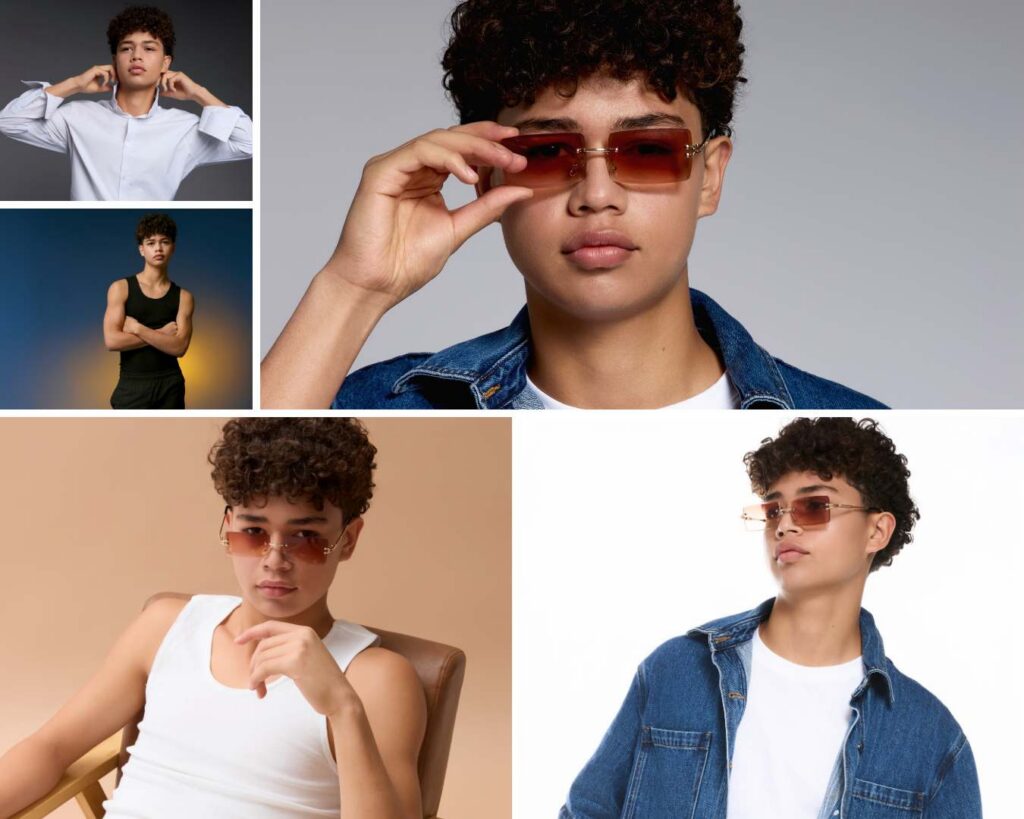
What Is a Modelling Portfolio?
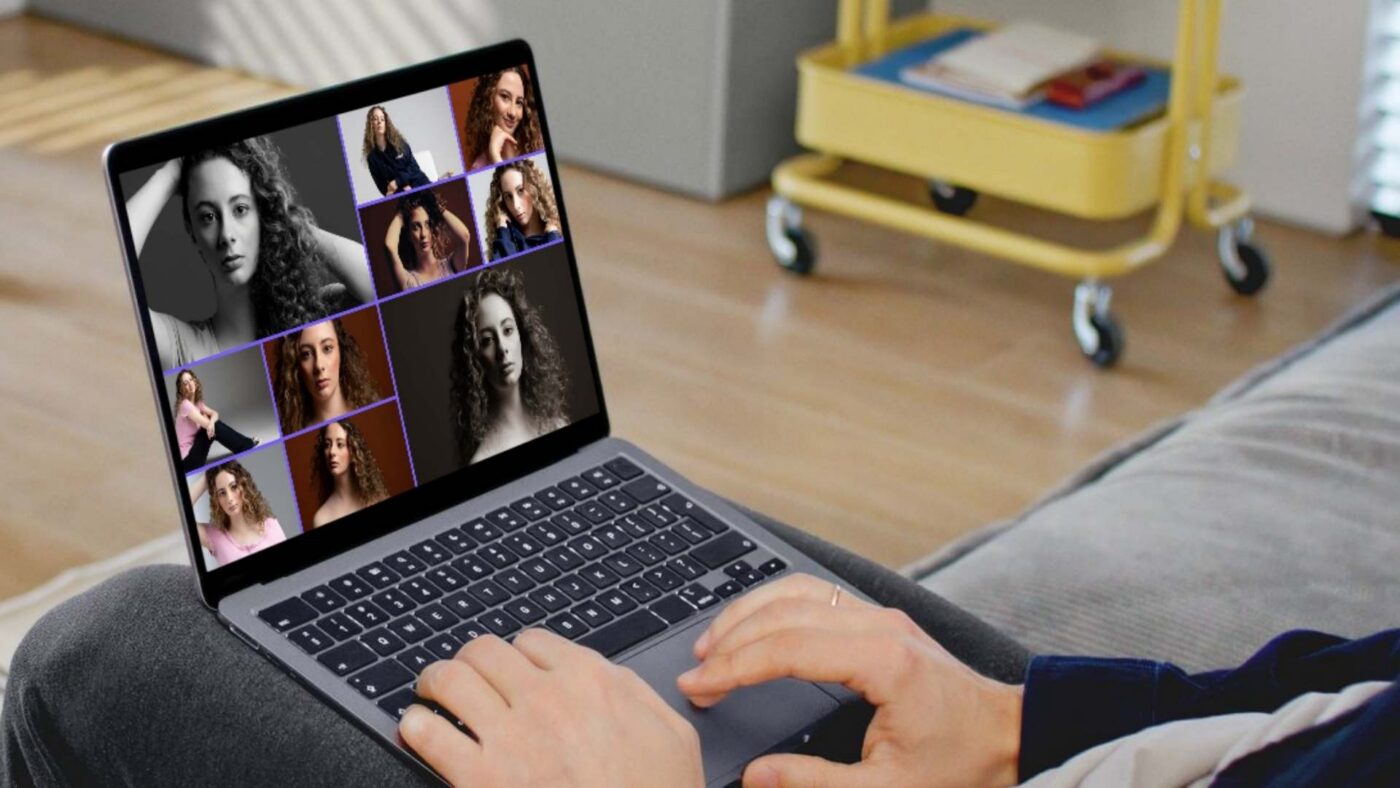
A modelling portfolio is a curated collection of professional photographs that showcases your versatility, range and castability to agencies, casting directors and clients. Think of it as your visual CV. Where a traditional CV lists jobs and skills in text, a portfolio proves what you can do in front of a camera across different looks, moods, lighting setups and styling.
A modern portfolio usually lives in two formats: a digital gallery (hosted online or sent as a PDF link) and occasionally a physical printed book for in-person agency meetings. The digital version does 95% of the heavy lifting these days. Agencies in Australia and overseas are reviewing talent almost entirely on screens, which means image quality, consistency and the strength of your opening three shots matter more than ever.
A proper portfolio is not a folder of holiday snaps, mirror selfies or phone photos taken by a mate. It’s a deliberate, commercial set of images shot by a professional who understands agency standards, casting briefs and what a booker is actually looking for when they scan a submission.
Why Do You Need a Professional Modelling Portfolio?
Put bluntly: without one, you don’t get seen. Every reputable agency in Australia, from our own Hunter Talent and Bubblegum Casting (which has been representing child models since 1981) through to the bigger international agencies, requires a portfolio or at minimum a set of professional digitals before they’ll even consider representation.
Here’s why a professional shoot beats DIY every time:

- Agencies can spot phone photos instantly. Uneven lighting, wrong angles and bad posture are dead giveaways, and they’ll bin your submission before reading your measurements.

- Castings move fast. When a client needs a fresh face for a Myer catalogue shoot on Thursday, agencies pull from their existing talent pool. If your images don’t look campaign-ready, you don’t get pitched.

- It’s your ticket to magazine features. At POP, every shoot comes with a magazine publication guarantee, which means your images aren’t just sitting in a folder, they’re working for you from day one.

- It proves you’re coachable. A varied portfolio shows you can take direction, change energy between setups and hold a pose without looking stiff.
A portfolio isn’t an expense, it’s the infrastructure your modelling career sits on top of. Skip it and you’re trying to build a house with no foundation.
What Goes Into a Modelling Portfolio?
A well-built portfolio covers a range of essential shot types. Agencies want to see how you translate across categories, so the goal is variety without chaos. Here’s what we shoot into every portfolio at POP:

- Headshot (clean beauty): Tight crop, neutral expression, minimal makeup, hair pulled back. This is the most important image in your book. If this one doesn’t land, nothing else matters.
- Smiling commercial headshot: Warm, approachable, natural teeth. This is what lands you TVCs, retail campaigns and family-brand work.
- Full-length body shot: Usually in simple fitted clothing so agencies can see your proportions clearly.
- Three-quarter editorial: Moodier lighting, stronger styling, showing you can hold an editorial energy.
- Lifestyle image: Movement, laughter, hands in hair, something that feels like a real moment rather than a posed frame.
- Fashion-forward look: Stronger styling and a more dramatic pose, typically shot against a seamless backdrop.
- Profile shots: Left and right side profiles, taken straight on, showing bone structure.
Styling, hair and makeup are where a lot of DIY portfolios fall over. A professional H&M artist knows exactly how to prep skin for camera, how to keep hair workable between setups, and how to style you in a way that won’t date your images within six months. It’s the difference between a book that gets you signed and one that gets you ignored.
How Many Photos Should Be in Your Modelling Portfolio?
Less than you’d think. Australian agencies typically want to see between 8 and 15 finished images in your main portfolio. Any more than that and you’re diluting your strongest work. Any fewer and you’re not giving bookers enough to cast you across categories.
The golden rule: your portfolio is only as strong as its weakest image. One mediocre shot sitting next to nine great ones pulls the whole book down. We’d rather send a model home with 10 killer images than 25 average ones.
For new faces just starting out, 8 to 12 strong frames is plenty. For experienced models with tear sheets, campaign work and editorial features, you might build out to 20 or so, but the tightest edit still wins. Agencies are scanning, not studying. If the first three images don’t stop their thumb, the rest never get seen.
At our Signature session, we typically deliver a curated edit that gives you a clean, agency-ready set without the bloat. You can see examples of the range we shoot over on our gallery.
What’s the Difference Between Digitals and a Portfolio?
This trips up almost every new model, so let’s sort it out.

Digitals (sometimes called Polaroids, even though nobody’s using instant film anymore) are raw, unretouched, natural light images. Front, back, side, face, hands, maybe a swimsuit shot. No makeup, no styling, no retouching. They exist so agencies can see exactly what you look like on any given day, without studio magic covering anything up. Digitals are submitted fresh every few months.
A portfolio is the polished, professionally shot and edited set of images that sells you as a model. It’s styled, lit, retouched within reason, and designed to showcase your commercial range.
You need both. Digitals are your honesty document. The portfolio is your sales document. Agencies compare the two to check you are who your book says you are. If there’s a huge gap between them, that’s a red flag. At POP we shoot portfolios that hold up against the digitals, no plastic retouching, no over-processing, just clean commercial work that reflects the real you.
How Much Does a Modelling Portfolio Cost in Australia?
Here’s where things get uncomfortable for a lot of studios, because portfolio pricing in Australia is all over the shop.
At the top end, some studios charge upwards of $280 per finished image, with full portfolio packages easily hitting $1,680 or more before you’ve even added hair and makeup. Others charge you for a shoot, then charge again for every digital file, every print, and every edit. It’s a model built on upsells and small print, and we’re not fans.
At POP Photography, we’ve deliberately priced things differently because we think a professional portfolio should be accessible to anyone serious about modelling:
- $99 Signature session: A full professional shoot at our Melbourne, Sydney or Brisbane studios, designed for models who want a clean, commercial set of images. Hair and makeup is not included in this package, so it’s ideal if you’re already camera-ready or working with your own H&M. Details on our Signature photoshoot page.
- $249 Star for a Day: Our full experience, including professional hair and makeup, multiple looks, a styled shoot and your finished edited images. This is the package we recommend to most new models because the H&M alone would normally cost you $200+ elsewhere.
Both packages come with our magazine publication guarantee, which is something you almost never see at this price point. You can browse the full range over on our services page.
The takeaway: you absolutely do not need to spend $1,600 on a portfolio to get signed. You need strong images, shot by someone who knows the Australian market, styled and lit properly. That’s it.
How Often Should You Update Your Portfolio?
Generally, every 12 to 18 months if your look is stable, or immediately if anything significant changes: a big haircut, a new colour, weight changes, braces off, a new age bracket. For kids and teens represented by agencies like Bubblegum Casting, updates come around more often because they grow quickly, usually every 6 to 9 months.
Stale portfolios are one of the top reasons models stop getting cast. A booker flicks through your book, sees a headshot from 2023 with a different hair colour than the digitals you sent last week, and assumes you’re disorganised or not taking things seriously. A $99 refresh once a year fixes that problem completely.
How to Build a Modelling Portfolio That Gets You Signed
Right, let’s get practical. Here’s exactly how we’d tell our best friend to approach building their first portfolio if they wanted to give it a proper crack.
1. Research the Agencies You're Targeting
Before you shoot a single frame, spend an hour on the websites of the agencies you'd love to be signed to. Look at their existing talent. Are the models mostly commercial, editorial or high fashion? Are they styled cleanly or with strong creative direction? Your portfolio needs to speak the same language as the agency you're pitching, otherwise you're showing up to a formal dinner in board shorts.
2. Book a Studio Session, Not a Mate With a Camera
A friend who "does photography on the weekend" will cost you your shot at representation. Agency bookers can spot amateur work in a heartbeat. Book a studio that shoots models regularly, understands what agencies want, and delivers agency-ready files. Our Melbourne, Sydney and Brisbane studios shoot portfolios every week, so we know exactly what books are landing in 2026.
3. Plan Your Looks Before the Shoot
Come prepared with 3 to 5 outfit options: one clean fitted look for body shots, one commercial smart-casual, one editorial or fashion-forward piece, and one lifestyle look. Neutral colours work best. Avoid logos, heavy patterns and anything too trendy that will date your images.
4. Invest in Professional Hair and Makeup
This is non-negotiable for most models. Professional H&M gives you skin that reads clean on camera, hair that holds up between setups, and the ability to shift your look between frames. Our Star for a Day package builds this in at $249, which is cheaper than booking a freelance artist separately in almost every case.
5. Shoot Variety, Then Edit Ruthlessly
You want range across headshots, full-length, editorial, lifestyle and fashion. But when it's time to build your final book, cut anything that isn't a hero image. Agencies would rather see 10 outstanding frames than 25 decent ones. If in doubt, leave it out.
6. Get Your Digitals Done at the Same Time
Shoot your agency digitals while you're already styled, fresh and at the studio. Face, front, back, side, no makeup (or minimal), natural light if possible. Having both your portfolio and your digitals ready means you can submit to agencies the same week.
7. Submit Strategically and Follow Up
Submit directly through each agency's official talent submission form. Don't mass-email. Use your strongest image as the lead file, keep your measurements and contact details clean and accurate, and follow up politely after two weeks if you haven't heard back. Persistence matters, but so does professionalism.
Frequently Asked Questions About Modelling Photoshoots
Can I use phone photos for my modelling portfolio?
No. While modern phones take impressive photos, agencies can tell the difference instantly. Phone images lack the lighting control, lens quality and colour accuracy of a professional studio shoot. Use your phone for digitals if you have to, but never for your main portfolio.
Do I need a portfolio before approaching an agency?
Yes, in almost every case. Reputable Australian agencies expect to see either a professional portfolio or, at minimum, a clean set of professional digitals before considering new talent. Approaching an agency with phone selfies is the fastest way to be passed over.
How long does a professional portfolio shoot take?
Most portfolio shoots run between 1.5 and 3 hours depending on the package. Our Signature session is a streamlined shoot, while Star for a Day includes professional hair and makeup, multiple looks and styling time, so it’s a longer experience.
Can kids have a modelling portfolio too?
Absolutely. Child and teen portfolios work slightly differently, with a focus on natural, commercial and lifestyle shots rather than editorial. Bubblegum Casting, our sister agency that’s been representing Australian children since 1981, works closely with families to build age-appropriate portfolios that meet agency standards.
Is it worth paying extra for hair and makeup?
For most first-time models, yes. Professional hair and makeup can be the single biggest factor in how polished your final images look. That’s why we built it into our Star for a Day package at $249, which works out cheaper than booking H&M separately.
What should I wear to a portfolio shoot?
Bring 3 to 5 outfits in a mix of fitted neutrals (black, white, grey, denim), one commercial casual look, and one editorial or fashion-forward piece. Avoid logos, heavy patterns and anything too on-trend. Simple, clean and flattering beats flashy every time.
Ready to Build Your Portfolio?
If you’ve read this far, you’re serious about modelling, and the next step is getting in front of a camera that knows what it’s doing. At POP Photography, we shoot portfolios at our Melbourne, Sydney and Brisbane studios every week, with a magazine publication guarantee built into every session and pricing that doesn’t punish you for taking your career seriously.
Start with our $99 Signature session if you’re camera-ready, or upgrade to Star for a Day at $249 for the full hair, makeup and styling experience. Either way, you’ll walk out with agency-ready images and a book that actually works for you.
If you’ve been scrolling through Instagram watching models land campaigns for Country Road, Witchery or David Jones and wondered how they actually got their foot in the door, there’s one thing every single one of them had before the bookings started rolling in: a proper modelling portfolio.
We’ve been shooting portfolios at POP Photography studios in Melbourne, Sydney and Brisbane for years, and we’ve watched the industry shift from bulky printed books to sleek digital galleries that agencies can flick through on their phones in under 90 seconds. The fundamentals, though? Those haven’t changed a bit. A strong portfolio still opens doors. A weak one still gets you politely passed over.
This guide breaks down exactly what a modelling portfolio is in 2026, what goes into it, how much you should expect to pay, and how to build one that actually gets agencies picking up the phone. No fluff, no padding, just the straight talk we give every model who walks through our studio doors.
What Is a Modelling Portfolio?
A modelling portfolio is a curated collection of professional photographs that showcases your versatility, range and castability to agencies, casting directors and clients. Think of it as your visual CV. Where a traditional CV lists jobs and skills in text, a portfolio proves what you can do in front of a camera across different looks, moods, lighting setups and styling.
A modern portfolio usually lives in two formats: a digital gallery (hosted online or sent as a PDF link) and occasionally a physical printed book for in-person agency meetings. The digital version does 95% of the heavy lifting these days. Agencies in Australia and overseas are reviewing talent almost entirely on screens, which means image quality, consistency and the strength of your opening three shots matter more than ever.
A proper portfolio is not a folder of holiday snaps, mirror selfies or phone photos taken by a mate. It’s a deliberate, commercial set of images shot by a professional who understands agency standards, casting briefs and what a booker is actually looking for when they scan a submission.
Why Do You Need a Professional Modelling Portfolio?
Put bluntly: without one, you don’t get seen. Every reputable agency in Australia, from our own Hunter Talent and Bubblegum Casting (which has been representing child models since 1981) through to the bigger international agencies, requires a portfolio or at minimum a set of professional digitals before they’ll even consider representation.
Here’s why a professional shoot beats DIY every time:
- Agencies can spot phone photos instantly. Uneven lighting, wrong angles and bad posture are dead giveaways, and they’ll bin your submission before reading your measurements.
- Castings move fast. When a client needs a fresh face for a Myer catalogue shoot on Thursday, agencies pull from their existing talent pool. If your images don’t look campaign-ready, you don’t get pitched.
- It proves you’re coachable. A varied portfolio shows you can take direction, change energy between setups and hold a pose without looking stiff.
- It’s your ticket to magazine features. At POP, every shoot comes with a magazine publication guarantee, which means your images aren’t just sitting in a folder, they’re working for you from day one.
A portfolio isn’t an expense, it’s the infrastructure your modelling career sits on top of. Skip it and you’re trying to build a house with no foundation.
What Goes Into a Modelling Portfolio?
A well-built portfolio covers a range of essential shot types. Agencies want to see how you translate across categories, so the goal is variety without chaos. Here’s what we shoot into every portfolio at POP:
- Headshot (clean beauty): Tight crop, neutral expression, minimal makeup, hair pulled back. This is the most important image in your book. If this one doesn’t land, nothing else matters.
- Smiling commercial headshot: Warm, approachable, natural teeth. This is what lands you TVCs, retail campaigns and family-brand work.
- Full-length body shot: Usually in simple fitted clothing so agencies can see your proportions clearly.
- Three-quarter editorial: Moodier lighting, stronger styling, showing you can hold an editorial energy.
- Lifestyle image: Movement, laughter, hands in hair, something that feels like a real moment rather than a posed frame.
- Fashion-forward look: Stronger styling and a more dramatic pose, typically shot against a seamless backdrop.
- Profile shots: Left and right side profiles, taken straight on, showing bone structure.
Styling, hair and makeup are where a lot of DIY portfolios fall over. A professional H&M artist knows exactly how to prep skin for camera, how to keep hair workable between setups, and how to style you in a way that won’t date your images within six months. It’s the difference between a book that gets you signed and one that gets you ignored.
How Many Photos Should Be in Your Modelling Portfolio?
Less than you’d think. Australian agencies typically want to see between 8 and 15 finished images in your main portfolio. Any more than that and you’re diluting your strongest work. Any fewer and you’re not giving bookers enough to cast you across categories.
The golden rule: your portfolio is only as strong as its weakest image. One mediocre shot sitting next to nine great ones pulls the whole book down. We’d rather send a model home with 10 killer images than 25 average ones.
For new faces just starting out, 8 to 12 strong frames is plenty. For experienced models with tear sheets, campaign work and editorial features, you might build out to 20 or so, but the tightest edit still wins. Agencies are scanning, not studying. If the first three images don’t stop their thumb, the rest never get seen.
At our Signature session, we typically deliver a curated edit that gives you a clean, agency-ready set without the bloat. You can see examples of the range we shoot over on our gallery.
What’s the Difference Between Digitals and a Portfolio?
This trips up almost every new model, so let’s sort it out.
Digitals (sometimes called Polaroids, even though nobody’s using instant film anymore) are raw, unretouched, natural light images. Front, back, side, face, hands, maybe a swimsuit shot. No makeup, no styling, no retouching. They exist so agencies can see exactly what you look like on any given day, without studio magic covering anything up. Digitals are submitted fresh every few months.
A portfolio is the polished, professionally shot and edited set of images that sells you as a model. It’s styled, lit, retouched within reason, and designed to showcase your commercial range.
You need both. Digitals are your honesty document. The portfolio is your sales document. Agencies compare the two to check you are who your book says you are. If there’s a huge gap between them, that’s a red flag. At POP we shoot portfolios that hold up against the digitals, no plastic retouching, no over-processing, just clean commercial work that reflects the real you.
How Much Does a Modelling Portfolio Cost in Australia?
Here’s where things get uncomfortable for a lot of studios, because portfolio pricing in Australia is all over the shop.
At the top end, some studios charge upwards of $280 per finished image, with full portfolio packages easily hitting $1,680 or more before you’ve even added hair and makeup. Others charge you for a shoot, then charge again for every digital file, every print, and every edit. It’s a model built on upsells and small print, and we’re not fans.
At POP Photography, we’ve deliberately priced things differently because we think a professional portfolio should be accessible to anyone serious about modelling:
- $99 Signature session: A full professional shoot at our Melbourne, Sydney or Brisbane studios, designed for models who want a clean, commercial set of images. Hair and makeup is not included in this package, so it’s ideal if you’re already camera-ready or working with your own H&M. Details on our Signature photoshoot page.
- $249 Star for a Day: Our full experience, including professional hair and makeup, multiple looks, a styled shoot and your finished edited images. This is the package we recommend to most new models because the H&M alone would normally cost you $200+ elsewhere.
Both packages come with our magazine publication guarantee, which is something you almost never see at this price point. You can browse the full range over on our services page.
The takeaway: you absolutely do not need to spend $1,600 on a portfolio to get signed. You need strong images, shot by someone who knows the Australian market, styled and lit properly. That’s it.
How Often Should You Update Your Portfolio?
Generally, every 12 to 18 months if your look is stable, or immediately if anything significant changes: a big haircut, a new colour, weight changes, braces off, a new age bracket. For kids and teens represented by agencies like Bubblegum Casting, updates come around more often because they grow quickly, usually every 6 to 9 months.
Stale portfolios are one of the top reasons models stop getting cast. A booker flicks through your book, sees a headshot from 2023 with a different hair colour than the digitals you sent last week, and assumes you’re disorganised or not taking things seriously. A $99 refresh once a year fixes that problem completely.
How to Build a Modelling Portfolio That Gets You Signed
Right, let’s get practical. Here’s exactly how we’d tell our best friend to approach building their first portfolio if they wanted to give it a proper crack.
1. Research the Agencies You’re Targeting
Before you shoot a single frame, spend an hour on the websites of the agencies you’d love to be signed to. Look at their existing talent. Are the models mostly commercial, editorial or high fashion? Are they styled cleanly or with strong creative direction? Your portfolio needs to speak the same language as the agency you’re pitching, otherwise you’re showing up to a formal dinner in board shorts.
2. Book a Studio Session, Not a Mate With a Camera
A friend who “does photography on the weekend” will cost you your shot at representation. Agency bookers can spot amateur work in a heartbeat. Book a studio that shoots models regularly, understands what agencies want, and delivers agency-ready files. Our Melbourne, Sydney and Brisbane studios shoot portfolios every week, so we know exactly what books are landing in 2026.
3. Plan Your Looks Before the Shoot
Come prepared with 3 to 5 outfit options: one clean fitted look for body shots, one commercial smart-casual, one editorial or fashion-forward piece, and one lifestyle look. Neutral colours work best. Avoid logos, heavy patterns and anything too trendy that will date your images.
4. Invest in Professional Hair and Makeup
This is non-negotiable for most models. Professional H&M gives you skin that reads clean on camera, hair that holds up between setups, and the ability to shift your look between frames. Our Star for a Day package builds this in at $249, which is cheaper than booking a freelance artist separately in almost every case.
5. Shoot Variety, Then Edit Ruthlessly
You want range across headshots, full-length, editorial, lifestyle and fashion. But when it’s time to build your final book, cut anything that isn’t a hero image. Agencies would rather see 10 outstanding frames than 25 decent ones. If in doubt, leave it out.
6. Get Your Digitals Done at the Same Time
Shoot your agency digitals while you’re already styled, fresh and at the studio. Face, front, back, side, no makeup (or minimal), natural light if possible. Having both your portfolio and your digitals ready means you can submit to agencies the same week.
7. Submit Strategically and Follow Up
Submit directly through each agency’s official talent submission form. Don’t mass-email. Use your strongest image as the lead file, keep your measurements and contact details clean and accurate, and follow up politely after two weeks if you haven’t heard back. Persistence matters, but so does professionalism.
Frequently Asked Questions
Can I use phone photos for my modelling portfolio?
No. While modern phones take impressive photos, agencies can tell the difference instantly. Phone images lack the lighting control, lens quality and colour accuracy of a professional studio shoot. Use your phone for digitals if you have to, but never for your main portfolio.
Do I need a portfolio before approaching an agency?
Yes, in almost every case. Reputable Australian agencies expect to see either a professional portfolio or, at minimum, a clean set of professional digitals before considering new talent. Approaching an agency with phone selfies is the fastest way to be passed over.
How long does a professional portfolio shoot take?
Most portfolio shoots run between 1.5 and 3 hours depending on the package. Our Signature session is a streamlined shoot, while Star for a Day includes professional hair and makeup, multiple looks and styling time, so it’s a longer experience.
Can kids have a modelling portfolio too?
Absolutely. Child and teen portfolios work slightly differently, with a focus on natural, commercial and lifestyle shots rather than editorial. Bubblegum Casting, our sister agency that’s been representing Australian children since 1981, works closely with families to build age-appropriate portfolios that meet agency standards.
Is it worth paying extra for hair and makeup?
For most first-time models, yes. Professional hair and makeup can be the single biggest factor in how polished your final images look. That’s why we built it into our Star for a Day package at $249, which works out cheaper than booking H&M separately.
What should I wear to a portfolio shoot?
Bring 3 to 5 outfits in a mix of fitted neutrals (black, white, grey, denim), one commercial casual look, and one editorial or fashion-forward piece. Avoid logos, heavy patterns and anything too on-trend. Simple, clean and flattering beats flashy every time.
Ready to Build Your Portfolio?
If you’ve read this far, you’re serious about modelling, and the next step is getting in front of a camera that knows what it’s doing. At POP Photography, we shoot portfolios at our Melbourne, Sydney and Brisbane studios every week, with a magazine publication guarantee built into every session and pricing that doesn’t punish you for taking your career seriously.
Start with our $99 Signature session if you’re camera-ready, or upgrade to Star for a Day at $249 for the full hair, makeup and styling experience. Either way, you’ll walk out with agency-ready images and a book that actually works for you.